Aesthetic and philosophical reflections
after two weeks in Gratteri.
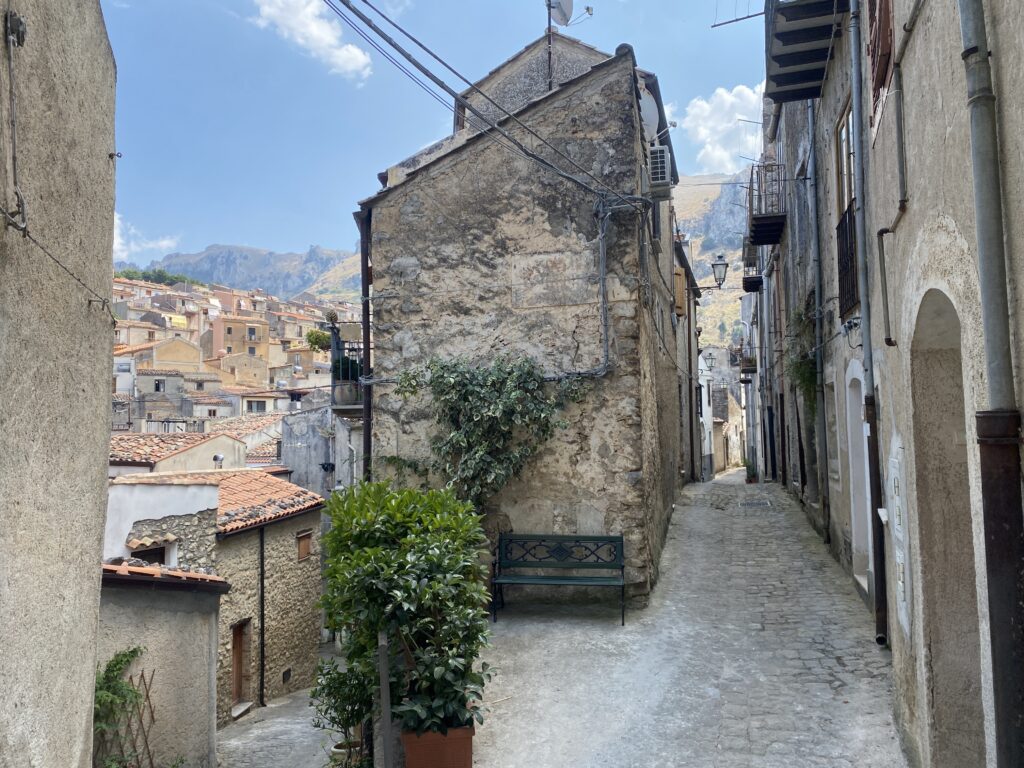
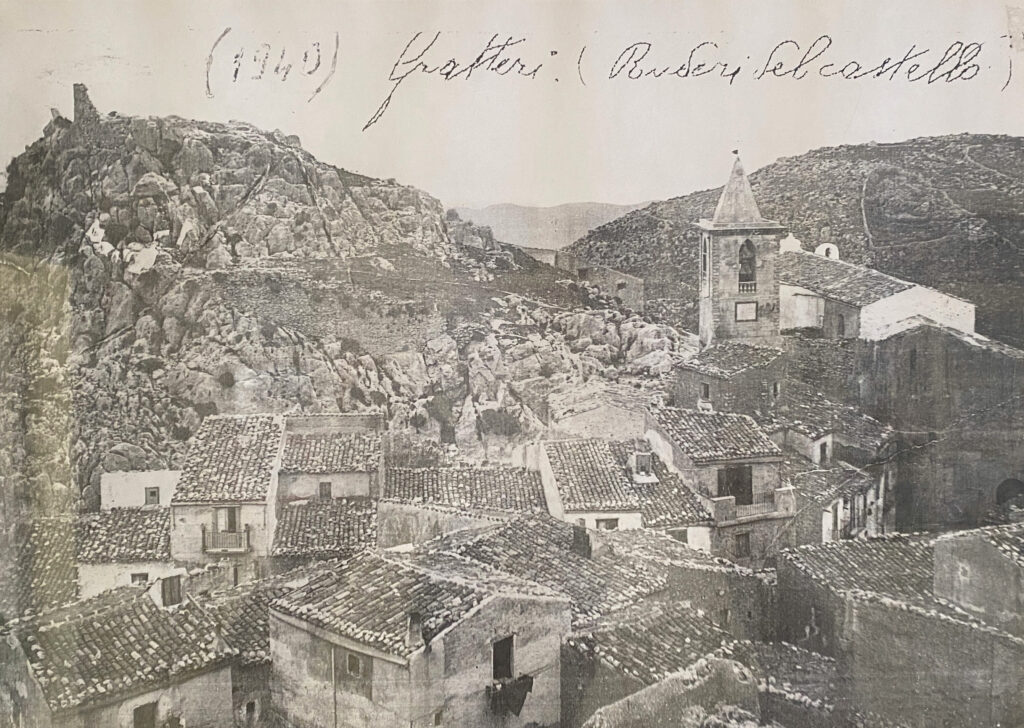
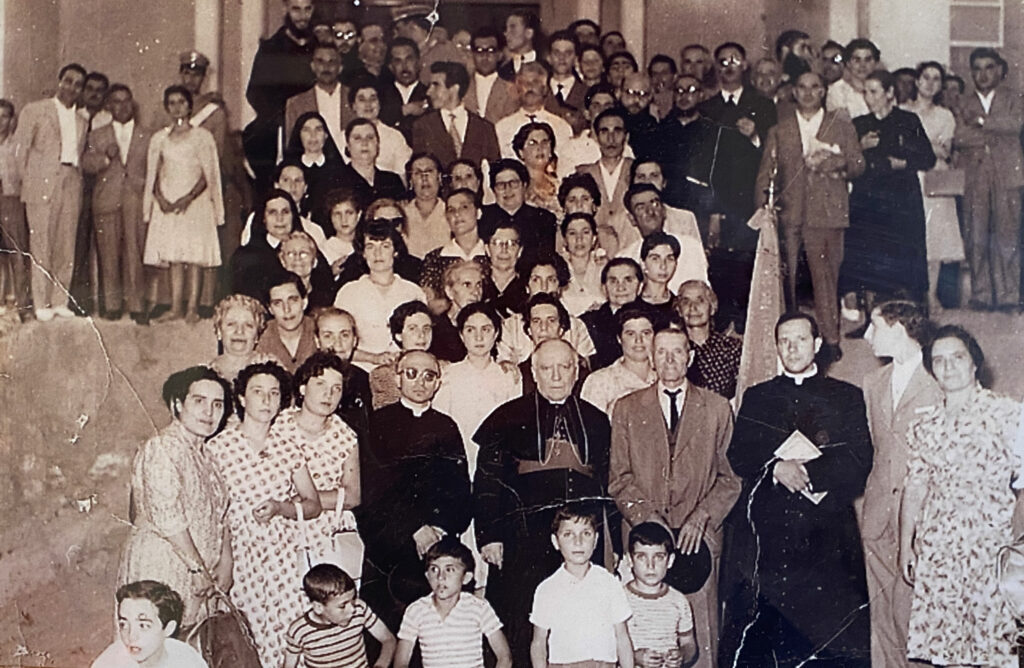
It is six o’clock in the morning in the Sicilian highlands of the Madonie Park. While Pietro, the baker, can finally return to his bed, Epifanio is getting out of his: it is time to walk the four kilometers that separate Gratteri from his stables, where his goats are resting. Few Gratteresi are still awake and active at such an early hour in 2025. In fact, there are few Gratteresi left at all. The village, which counted around 3,300 inhabitants in 1911, is now home to only 800 souls. Like many rural realities across the globe, Gratteri, in the province of Palermo, is suffering from the exodus of its people.
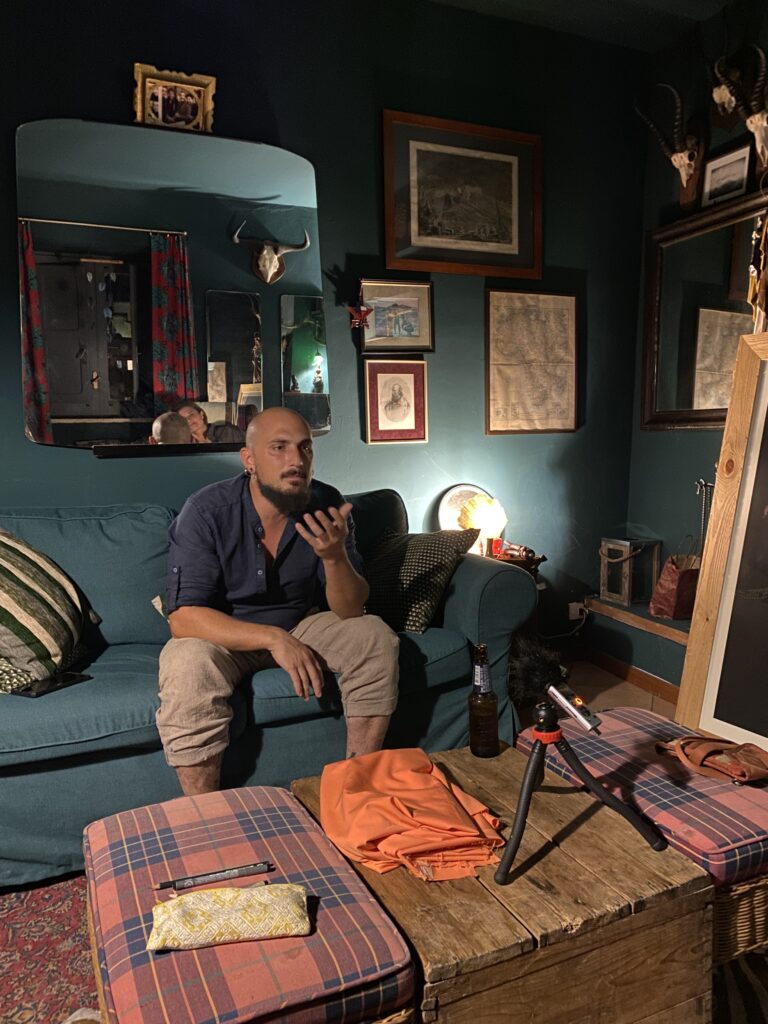
Misha Capnist has always enjoyed going against the current. Six years ago, he decided to settle in the village where he used to spend his summer holidays. For more than two years now, he has been running the association Grattaluci Si Diventa (“One Becomes Grattaluci”), which works to activate dialogue and exchange, and to revitalize the cultural life of Gratteri. It was therefore only natural for him to address the issue of rural exodus in his adopted village. Who are the Gratteresi? What is this culture, this lifeblood that slowly thins with the passing years? Is this extinction inevitable, or can it be countered?
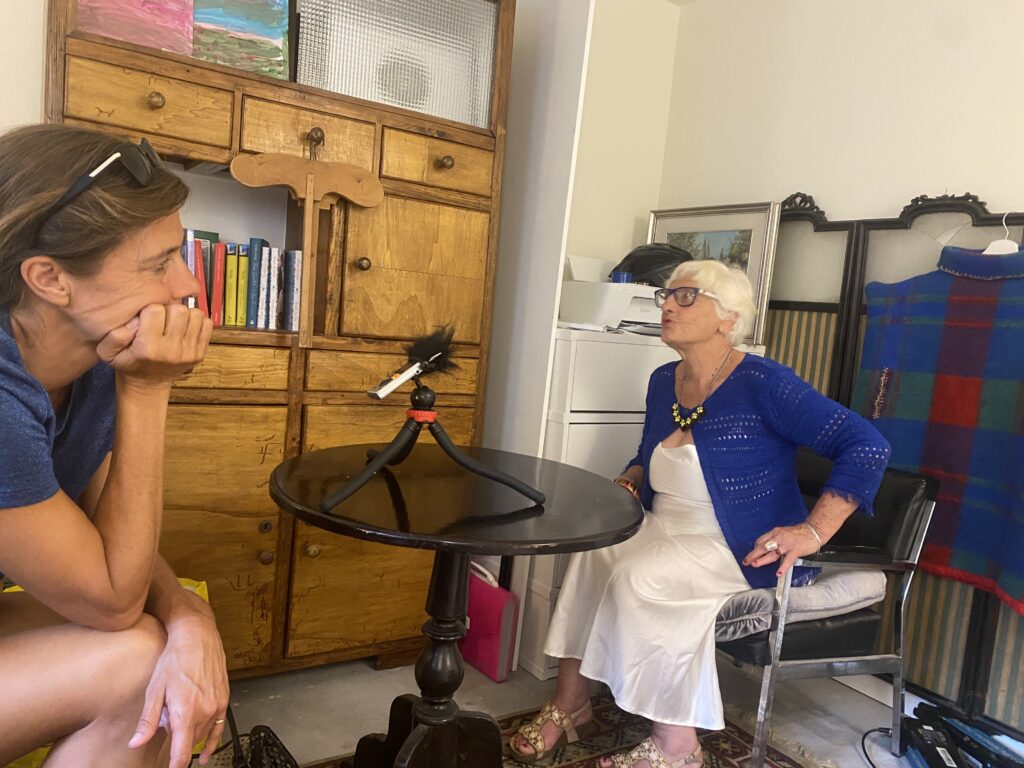
In order to address these questions—if not to provide answers—Misha joined forces with the author of these lines, Stefano Alaimo, a multimedia designer and artist with a background in philosophy. We initially chose to adopt an experience design (UX design) approach, grounded in field research. The reflections that follow are based on more than thirty interviews with inhabitants of Gratteri, as well as on a selection of historical data.
GRATTERI, A LAND WITHOUT TOMORROWS?
If we trace the population of Gratteri over time, we notice it peaked in 1911, with 3,291 inhabitants. Several macro-structural factors help explain this dynamic.
The early twentieth century was marked by large waves of emigration to the United States, Argentina, Brazil… The First World War, the rise of Fascism, and the Second World War plunged Italy into poverty, lowering the birth rate and pushing Italians—especially those from the southern countryside—to seek better fortunes elsewhere. This dynamic continued in the postwar period, both abroad and in northern Italy, as national development strategies, facilitated by the Marshall Plan, favored the growth of industries in the north.
Giacomo Grasso was born in 1940 in Gratteri. His father was a shepherd and livestock owner, which allowed him relatively comfortable working conditions for the standards of the trade. In his twenties, Giacomo chose not to follow in his father’s footsteps, seduced instead by the conveniences of city life: he became a doorman in Palermo and later in Rome until his retirement. His companion, Giovanni Cirincione, born in 1960, also emigrated, working as a technician in different contexts—from northern Italy to the west coast of the United States. In Gratteri, he could have been nothing more than a mason, but his peregrinations allowed him to become a specialized technician. Both ultimately chose to spend their retirements in their place of origin.
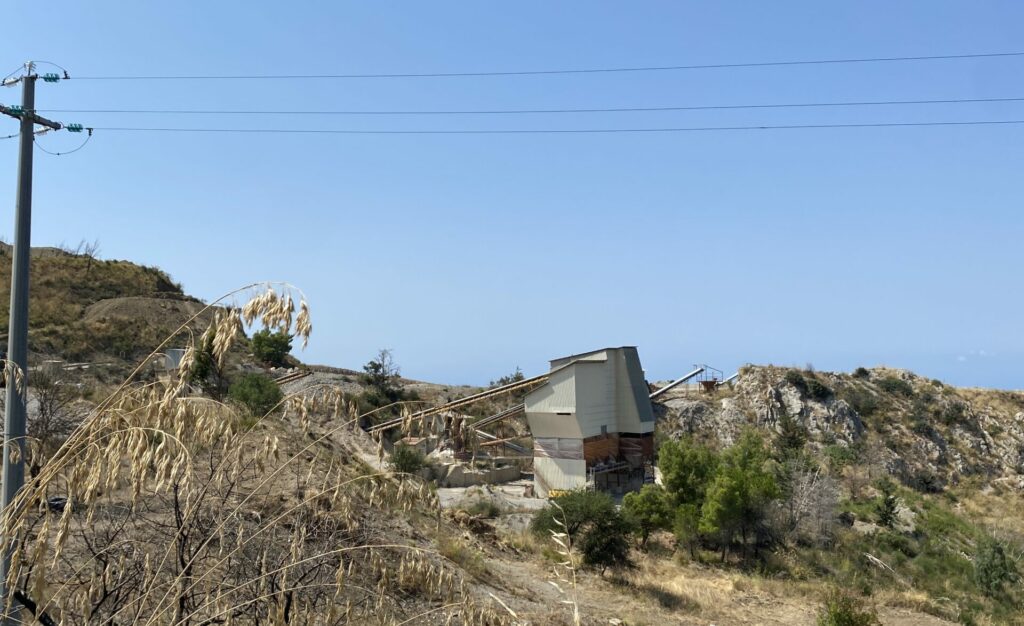
Several industries had chosen to establish themselves in the Palermo region. FIAT, for instance, had a factory in Termini Imerese, just 30 minutes from Gratteri, allowing many families to live and work in the area. However, the closure of the facility in 2011 closed many life prospects.
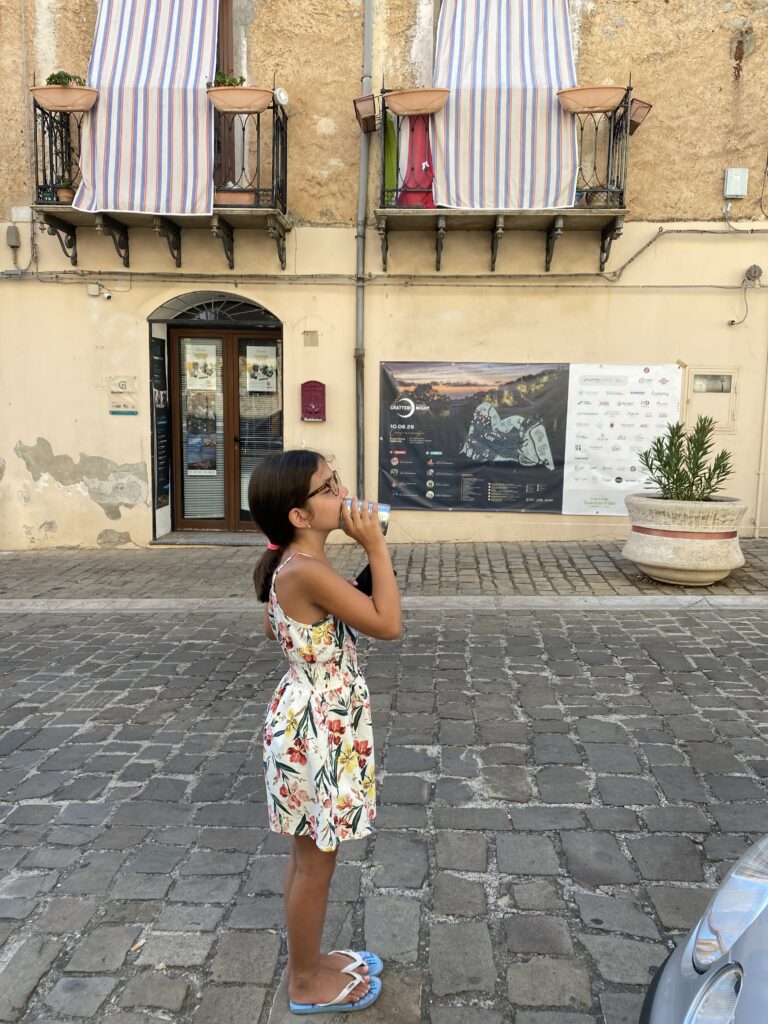
The departure of inhabitants gradually led to the loss of many services. Below a certain population threshold, the administration removes non-essential infrastructures. The story of Giada La Duca illustrates the concrete individual impacts of this decline. Born in 2013, Giada was the only child born that year in the village. Her case, a reflection of Gratteri’s falling birth rate, posed logistical and administrative challenges. The primary school survived only by merging classes into one. Giada recounts how the teacher focused on the most numerous age group, leaving her with a sense of neglect, often copying the lessons of older classmates. To remedy this isolation, she continued her schooling in Isnello, a neighboring village with a slightly higher population. The same problem arose again in middle school, requiring her to relocate to Cefalù to be surrounded by peers. Similarly, the village lacks health services and many other amenities.
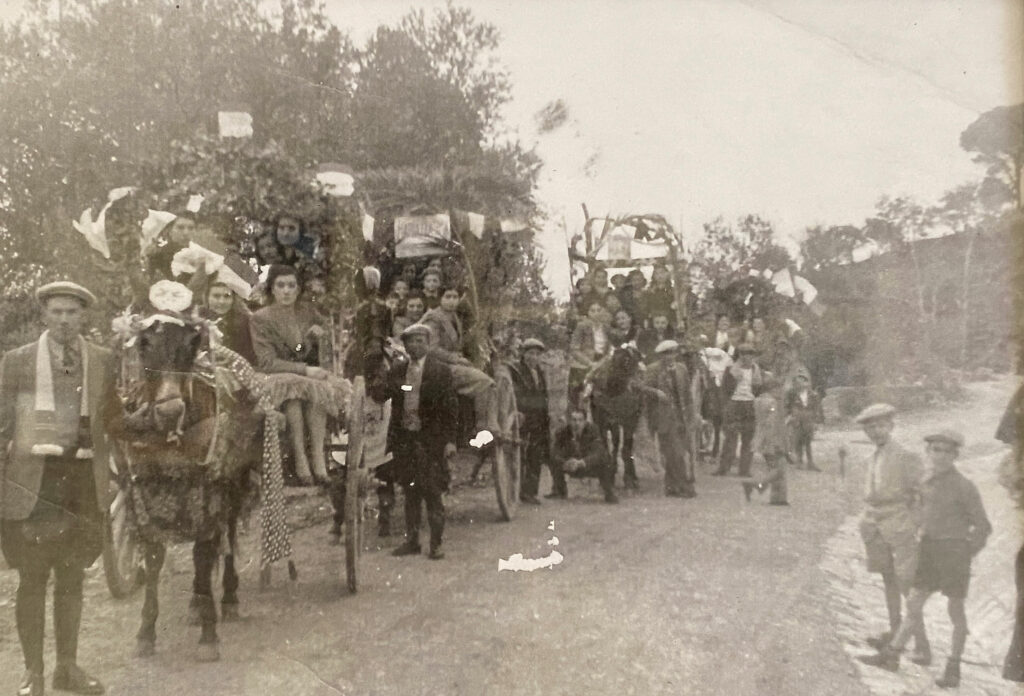
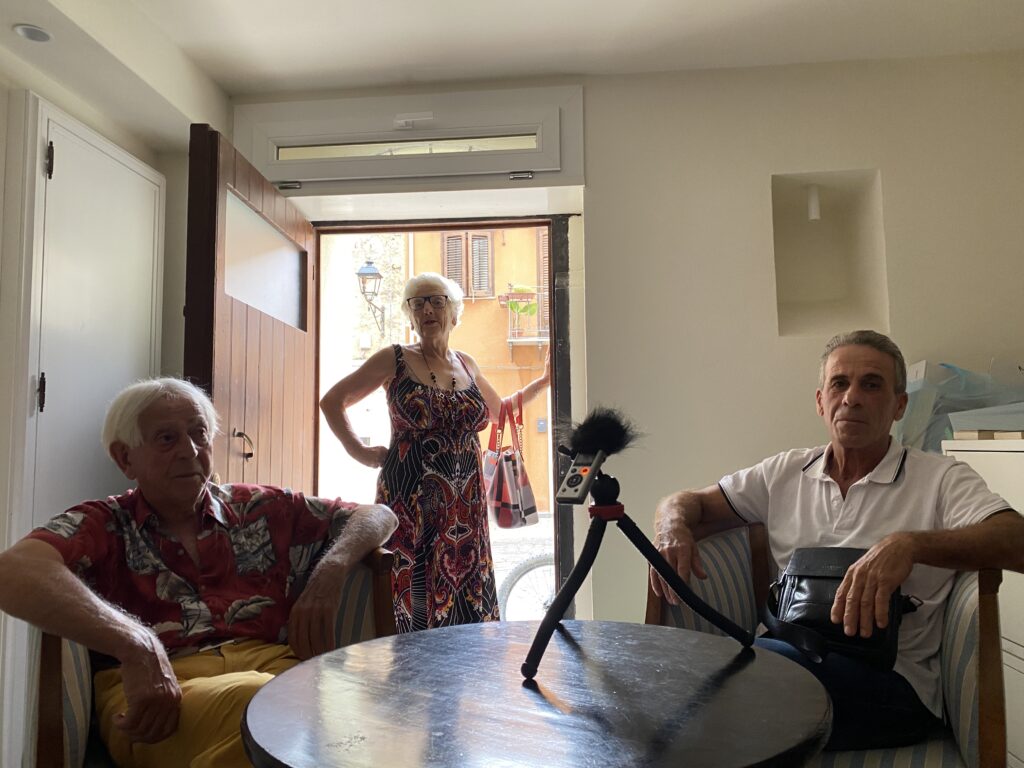
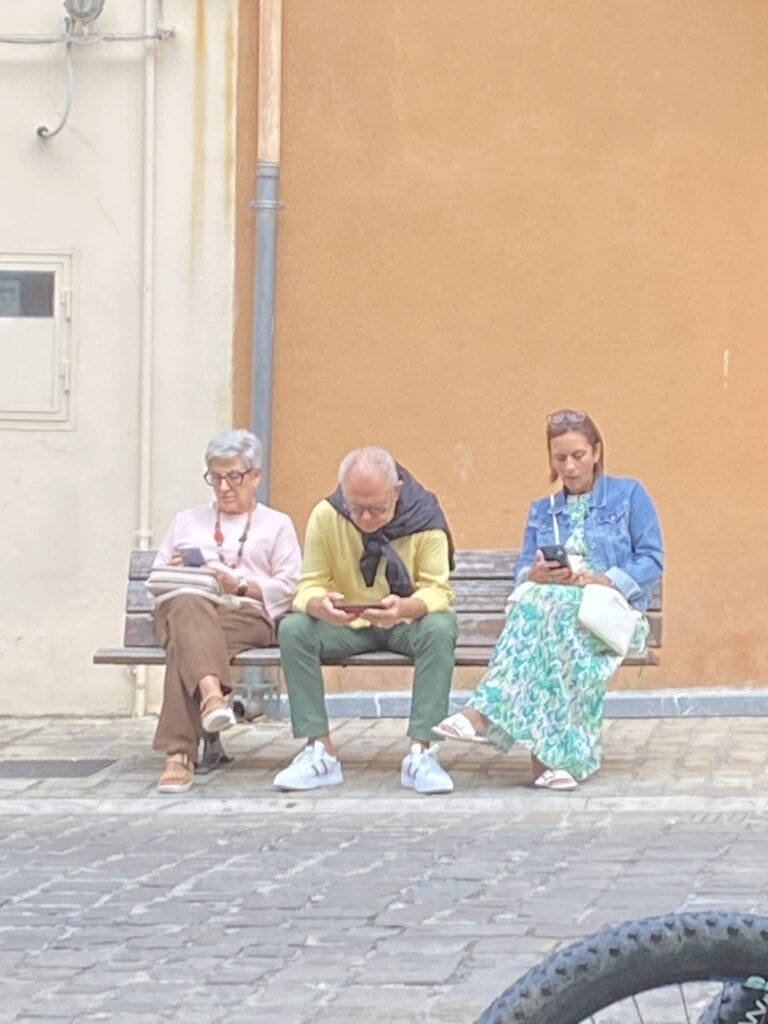
Private services have also declined. In the past, Gratteri had an ice cream shop, a hairdresser, restaurants, and many other service providers that no longer exist. In November 2025, the baker Pietro d’Angelo retired. After fifty years of loyal service, he found no one to take over the family business. Of his two sons, one pursued a career in forestry services, while the other, who had helped in the bakery for years, moved to Cefalù, the nearby city, to open a wine cellar. Consequently, the village’s attractiveness for both locals and visitors has decreased. Maria La Duca, born in 2008, dreams of studying psychology and living elsewhere. To pass the time, Maria organizes herself with her peers, moving from village to village to vary her experiences. There are few activities for young people. The only contacts with the outside world come through media, particularly her mobile phone. Her village is perceived as a place of cultural isolation.
These logistical and practical constraints, affecting the appeal of a village like Gratteri for both occasional visitors and permanent residents, reverberate on an intimate level, deeply shaping social relationships within the community and, consequently, the approach to work, entrepreneurship, and politics.
The shrinking Gratteri community has intensified certain psycho-social traits. Interviewees often complain about gossip, envy, and arrogance. In any small community, gossip is common. Daily life is poorer in events than in a big city, so boredom is filled with small village episodes where everyone becomes, willingly or not, an actor on a stage: each person is therefore subject to the judgment of others. In larger groups, the opportunities to form connections are virtually greater, so a neighbor’s opinion carries less weight. In rural realities, losing even the goodwill of one friend can be socially significant. Giusi Marcì tearfully recounts, with one of her few village friends, Domenica Moscato, how the community’s gaze can be harsh toward women who do not behave as expected: going out unaccompanied by a man, smoking, wearing light clothing, or living with a partner. Several young people also reported how some agreements or friendships were broken over political differences.
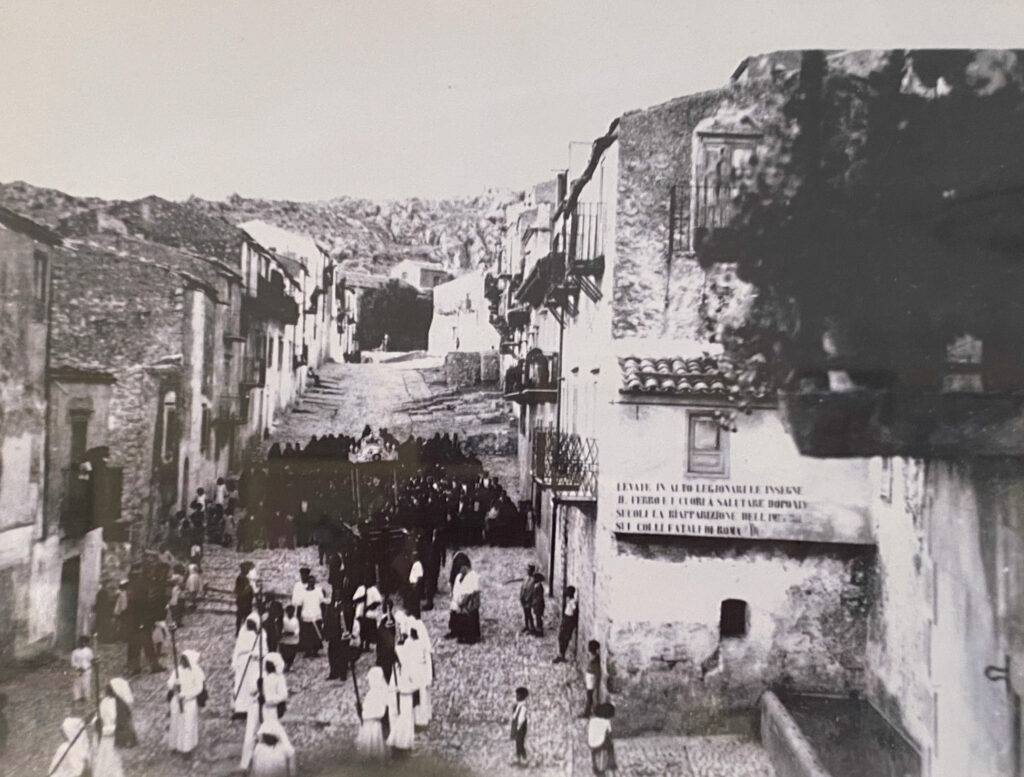
The theme of difficult living conditions regularly appears in the elders’ discourse: the village, being isolated and economically poor, often relied on barter. The spirit of neighborly help has always been crucial, even today: social ties are extremely close, for better or worse. In precarious realities, collaboration and good order are essential; individual behavior conforming to the group’s welfare is therefore the norm. The harshness of judgment, perceived as malicious, may reflect a reality in which any deviation from proper conduct could lead to ruin. Young people feel this acutely: “We hoped for more encouragement from our parents,” they say, but the elders are affected by the prevailing gloom and pessimism, products of years of feeling judged or abandoned.
For any enterprise, the size of the potential market must be considered in projections of success or failure. A small number of potential clients is a bad omen, demanding even more courage and creativity. Several have noted that individual success is not always well regarded. Salvatore D’Agostaro recounts that, as his father experienced, many people tried to prevent the demolition of the village’s old watering trough in the 1960s, which was replaced by a tobacco shop. The project came to fruition only after great effort and elbowing. The same Salvatore explains how, today, his success does not always elicit positive feelings: “Here, your head must not rise above the rest, or you are looked at with envy and suspicion…” He also mentions how difficult it is to create cohesion and collaborative dynamics among the few remaining businesses, and to coordinate common events
GRATTERI THE BEAUTIFUL
But it is not only those who leave: there are also those who stay and those who arrive.
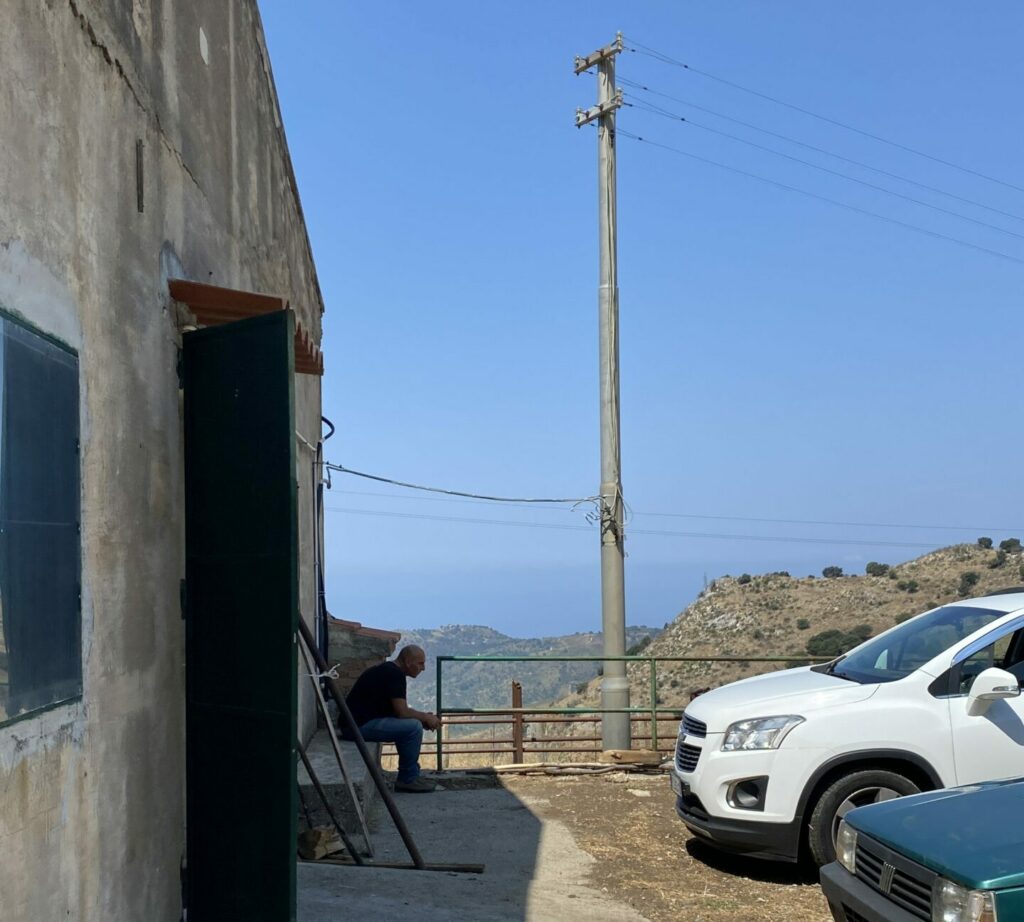
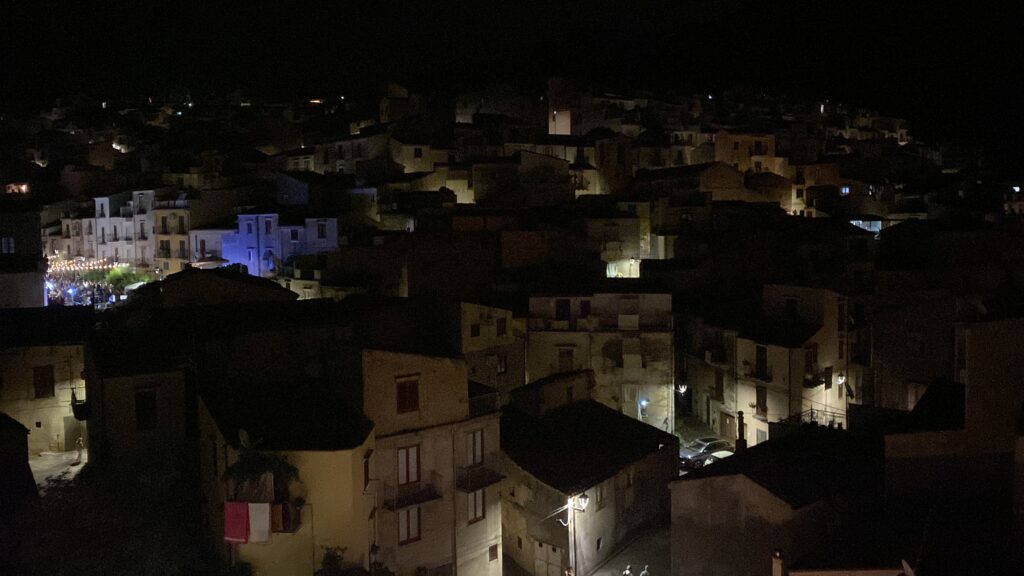
The first thing that strikes you in the Sicilian village is its beauty. Situated at 600 meters above sea level, Gratteri offers a wide view of the northern coast, stretching from Palermo to Cefalù. Located within the Madonie National Park, it is surrounded by preserved nature, with mountain peaks and forests. The village, dating back to the Paleolithic, bears traces of various historical influences: from the Middle Ages, Arabs, Normans, Spaniards, and French all left their mark. It presents the picturesque setting of an old Sicilian village. The place has remained protected from real estate speculation, which has disfigured many Sicilian towns. The beauty of the place may seem like a characteristic with little impact… yet it is precisely this beauty that attracts outsiders like Claudia, from northern Italy, as well as Anne-Marie Clos, wellness professionals, and retains Leonardo Rinchiusa, born in 1994, who aspires to work in socio-political contexts in his home village. When he tells his story, one first feels his love of Beauty, which he sees in people and places, inspiring him daily. It is this drive that makes him active in Gratteri’s associative life.
The low economic attractiveness and the resulting exodus have, conversely, allowed the Madonie village to preserve its uniqueness. Slowness and quietness, which some call boring, are for others virtues, synonymous with rest and rejuvenation. It is no coincidence that Gratteri is near two notable places of worship: the ruins of the Abbey of San Giorgio and the still-functioning Monastery of Gibilmanna. The area invites contemplation. Activities that have kept Gratteri alive through the centuries are also those that unfold over long periods: livestock and agriculture, in a traditional perspective, follow the rhythms of the seasons; artisanal skills require the body to adapt to elements: fermentation, rising, aging, maturation for food; drying, cooling, resting, etc. for wood, metal, and other construction materials. Salvatore Cirincione, born in 1998, speaks of the harshness of winter, which is also tranquility and reflection. He has always lived in the Madonie village and works as a software developer, a job that can be done from anywhere. For this reason, he chose not to emigrate. Where some see winter as a test of solitude and boredom, Salvatore sees it as a chance for introspection and inspiration. For him and Leonardo, the cold season is an opportunity to meet, play music, discuss various problems, and imagine solutions together. In Gratteri, the relationship to time is different, making possible situations that would be unthinkable in a big city.
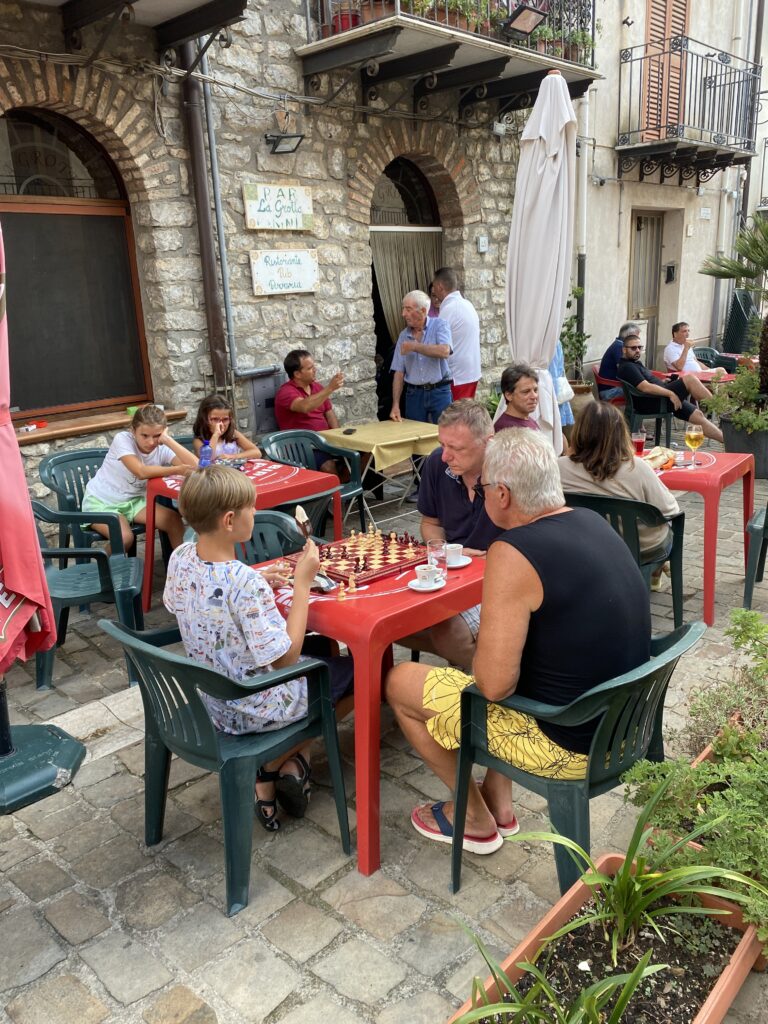
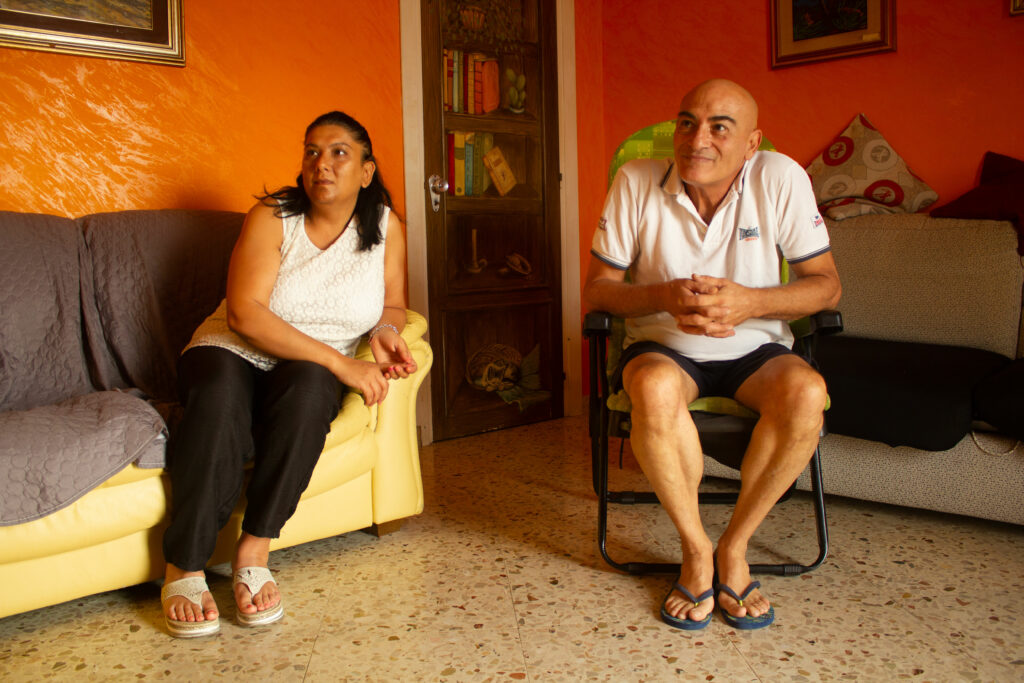
Debora Di Giorgio, born in 1980 and originally from Bisacquino, studied in Palermo. Having had the opportunity to acquire Gratteri’s historic pharmacy, she now splits her weeks between the Madonie village and Sicily’s capital. Due to the village’s size and pace, certain interactions are made possible. With a lower flow of customers, she can devote more time to each visitor, naturally taking on the role of confidante. She also describes leaving her car keys in the ignition: Gratteri is a crime-free place. Daniele Costanzo, in his thirties, is an on-call doctor based in Cefalù. He works three nights a week in the village and appreciates the warmth of the people. Residents often confide in him and want to pay him personally for his quasi-psychologist role; he systematically refuses, and often finds the next morning “payments in kind” in the form of cooked dishes, cheeses, biscuits, etc. Occasional visitors also recognize the friendliness, curiosity, and openness of the Gratteri residents.
Besides the human aspect, Gratteri offers logistical advantages, notably its geographical position. Its mid-height location provided military surveillance advantages: relatively fast access to a wide field of view. Today people travel for different reasons, but the advantage remains. Equidistant from the sea, Cefalù, and more inland towns, Gratteri is ideal as a base for exploring the region. Salvo Curcio, born in 1975 and former municipal youth services advisor, has always lived in Gratteri. He manages several tourist rental businesses and believes the village’s future lies in tourism. According to him, Gratteri is the perfect place to accommodate visitors and allow easy access to nearby hotspots. Additionally, the elevated location brings milder temperatures in summer. Moreover, general costs are lower, making prices attractive across all services. Salvatore Cirincione, mentioned earlier, chose to stay in his childhood village for these reasons, among others. Lower housing and living costs allow savings to be redirected toward travel and activities.
The drop in real estate prices has thus created a counter-exodus phenomenon: more and more foreigners—Americans, English, Germans, Poles, Italians—are investing in the Madonie village. Martin and Stéphanie Gray, in their thirties and based in London, fell in love with Gratteri. They first bought a holiday home, then a second one for seasonal rental. Many others are doing the same, initiating the dynamic desired by Salvo Curcio. This phenomenon has the undeniable advantage of revitalizing the local economy. While not rejected by locals, it still leaves a slightly bitter feeling: the village becomes a place of mere passage. As Debora, the pharmacist, says, Gratteri risks losing its soul: although the foreigners are very kind and curious, those who stay only a few days each year do not integrate. It would be preferable for people to settle permanently, allowing them to absorb the village’s spirit and enrich it with their own. Leonardo and Salvatore, two young men in their thirties who grew up in the village, express it differently: Gratteri residents should go out into the world, learn from the outside, and return to share that knowledge with the community. When considering permanent settlement, the primary factor is the type of activity one will pursue. The relationship to work is essential in shaping one’s time, daily life, and existence.
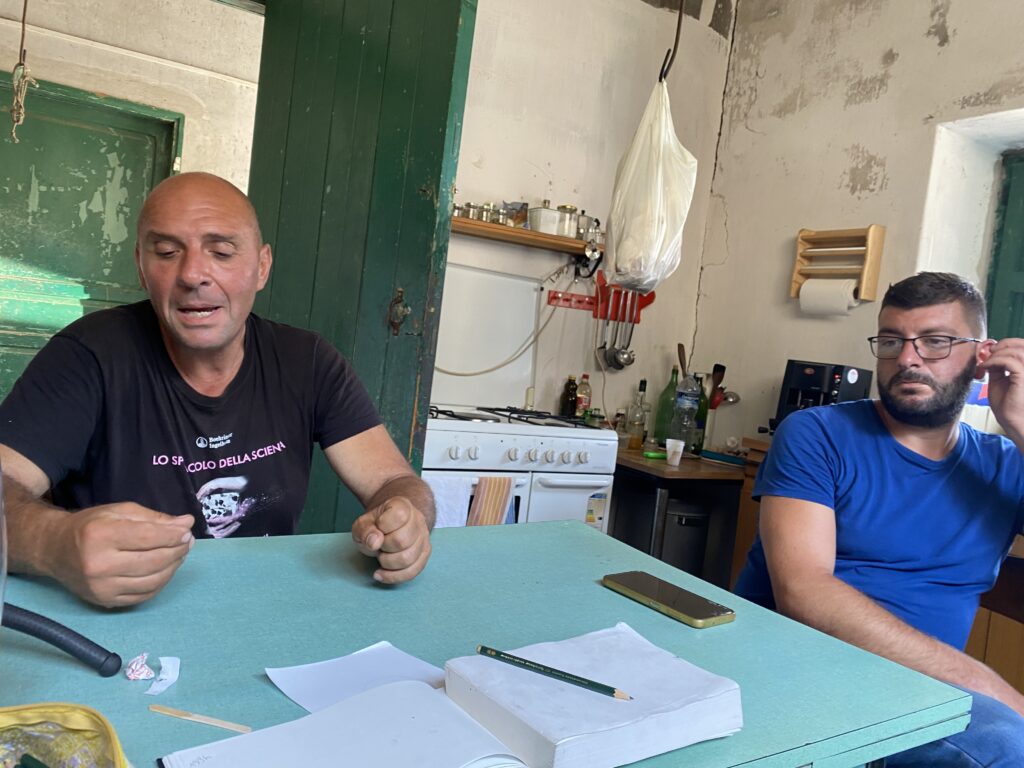
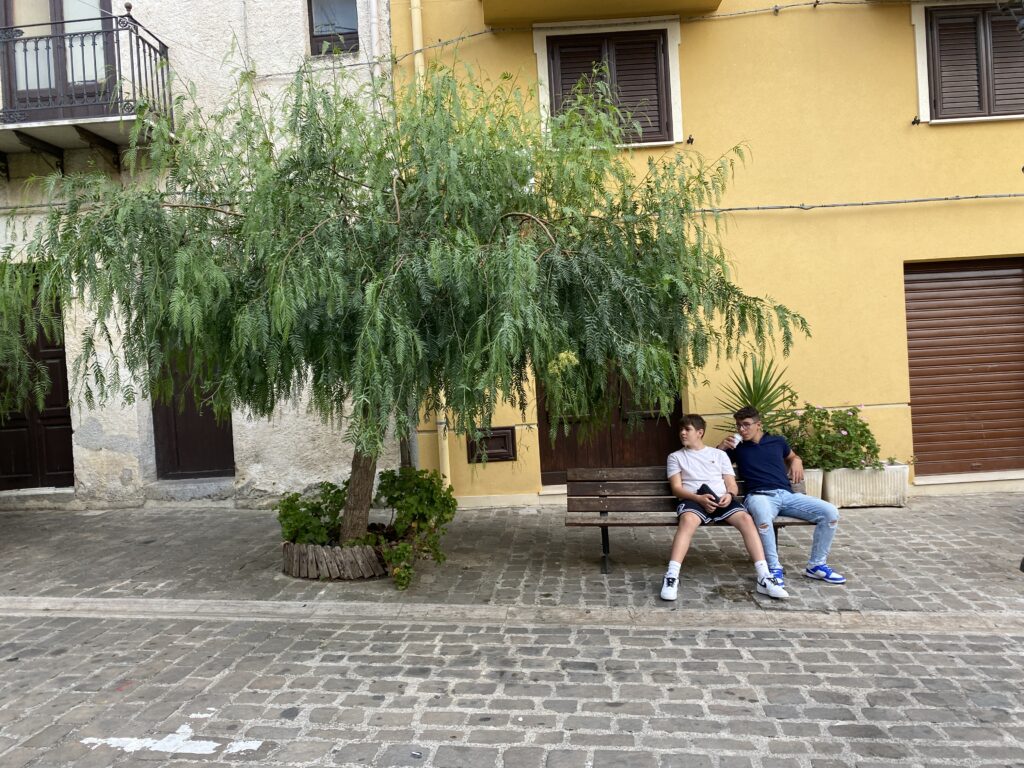
In this regard, the story of Gregorio Capnist is telling. Born in 1994 in Vicenza, northern Italy, he spent his childhood and adolescence there before moving to Genoa for foreign language studies and settling in Paris for a few years. There he held various jobs in restaurants and bicycle repair. He describes a “compressed” urban life, subjected to the codes of appearance and money. He moved to Gratteri in 2022 to embrace a simpler, “old-fashioned” lifestyle. In Paris, freedom meant spending money in rare free moments; in the Sicilian mountains, freedom means having control over one’s time and creativity. Gregorio seeks challenge. He wants work that tests him, fills his days, and gives a sense of accomplishment. His choice is also ideological: he wishes to detach from a moral, political, and economic system he disapproves of. His ideal is to divide his daily life between a job that pays essential bills—energy, taxes, healthcare—and chosen exploitation of the land for partial autonomy.
Similarly, Jane Clarke and her husband Sante Miceli, weary of New York’s frenzy and anonymity, have inherited buildings in Gratteri and wish to acquire others to live, set up a creative workshop, and create a residency for artists from elsewhere. In recent years, medium-to-luxury hotels have developed, focusing on wellness and rejuvenation.
Finally, it is love for their work that keeps the Muffoletto cousins, shepherds for generations, rooted in Gratteri. Epifanio Giovanni was born in 1975, his cousin Epifanio in 1990. Both continue the family livestock business. Their testimony, particularly poetic, speaks of love. “Everything we do, to do it well, must be driven by love.” Respect for memory, land, and animals. Epifanio Giovanni considers the animals full-fledged collaborators, endowed with sensitivity and deserving respect. The cousins discuss a changing world: less violence, less attention to the quality of human relations and products. Young Epifanio is gentle, kind, and simple. He lost patience only once with a client who tried to haggle over the price of his meat: “When you buy a shirt in a store, you don’t think of negotiating the price… why not give me the same respect?? Because I work the land!” Senior Epifanio describes new consumption habits: “What you buy cheaply at the supermarket cannot be a quality product… first-price meat is full of preservatives that extend shelf life. What they sell as honey is cut with molasses… etc. Considering my methods, I cannot afford to lower my prices that much. I simply couldn’t survive!” The Muffoletto example teaches that if a business cannot rely on mass production to survive, it can focus on quality.
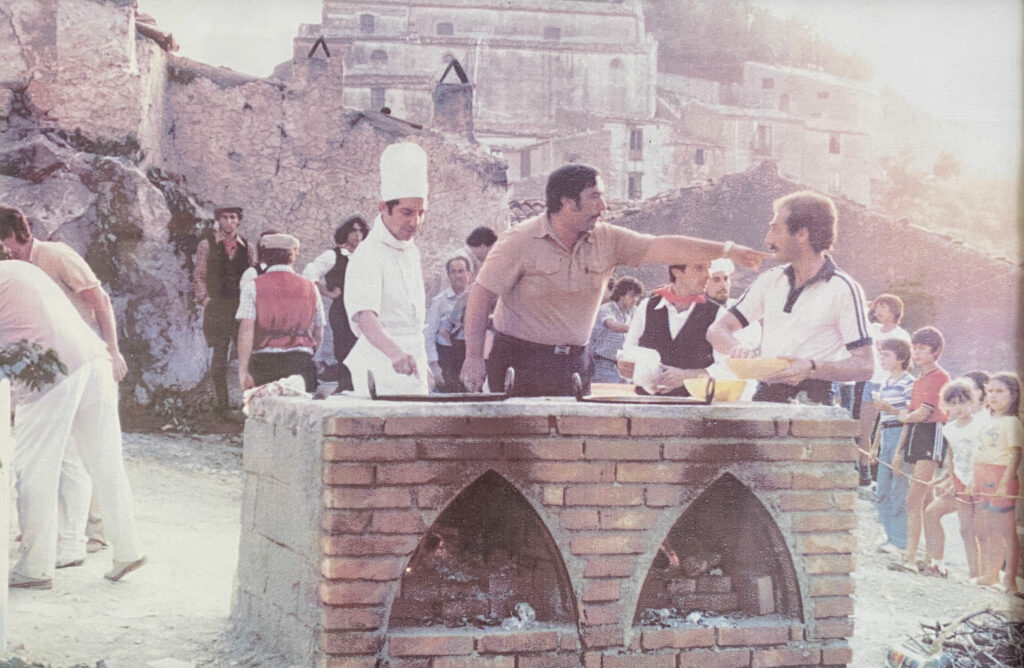
THE MARCH OF TIME
We can thus identify two movements in Gratteri, one centripetal and one centrifugal, both linked to dreams of life. What has inspired people to dream? What do the young Gratteresi aspire to? And what were the ambitions of their parents? And of their grandparents?
The movement that drives souls to leave Gratteri is primarily material: the search for better working conditions and, consequently, better living conditions. The elders recall their youth as a harsh reality, filled with effort and deprivation. According to the testimonies of the Muffoletto shepherds, the baker Pietro, the bartender Antonio, and others, the professions that sustain Gratteri are demanding and unrewarding. The Gratteresi longed to no longer submit to excessive hours, the rhythm of the seasons, the burn of the sun, and the bite of winter cold. But the primary aspiration underpinning all others is undoubtedly the need for security: a common thread in much of the pessimistic discourse about the village is uncertainty. When raising animals or cultivating the land, an unexpected epidemic, a late frost, or a new pest can ruin a year’s work. In the service sector, fortunes are equally subject to chance: undertaking any business in a sparsely populated area with a limited market is risky. Thus, those who can leave seek better horizons, while those who cannot hope to provide new opportunities for their children.
These new paths, these new dreams, take shape in a more urban context. The counterpart to manual labor is intellectual or service-oriented professions: Giada wants to become a doctor, Maria a psychologist, Leonardo aims for a career in politics… the latter would like to return to Gratteri if possible, but the first two see their future elsewhere. They also describe the importance of their mobile phones in daily life: it is perceived as the only link between the village and the “rest of the world.” It is striking to note that the most frequently mentioned vision for Gratteri’s future is the renovation and availability of housing for tourist rentals—the famous BnB! Another path is that of civil service. There is a standardization of dreams. Giuseppe Ilardo, born in 1953 in Gratteri, exemplifies this. He left school very early and began working as a mason and blacksmith. Traveling through Italy, France, the Middle East, and Germany, he acquired specialized mechanical skills. At thirty, following the call of the heart, he decided to start a family in his native village. According to him, contemporary times are characterized by prefab and disposable products… to stand out, one must be imaginative and creative, adding a personal touch no machine could ever replicate.
This final point highlights the core issue: technology is central to changing social habits, especially the relationship to work. Industrialization, technological acceleration, and the speeding up of production methods make it impossible to regulate places like Gratteri, which lacks space. The change has been so rapid that it has left many individuals at an impasse, with the urgent material need to survive depriving them of the time and freedom required to develop resilience strategies. The Gratteresi are overwhelmed by the whirlwind of innovations and dream-images marking the acceleration of our world. They are also left behind by public authorities focused on economic development. They can no longer see the beauty of their environment.
It is therefore from the outside that a breath of life and confidence can come to Gratteri: financial and moral support from public authorities (raising a concern mentioned by some Gratteresi about the programmed death of rural villages), and a fresh, sensitive perspective toward the peculiarities that have become invisible to the locals—the view of the outsider. These outsiders are precisely those who have experienced the urban dream and returned: Gregorio and Misha from Paris, Anne-Marie from Rome and Palermo, Claudia from Milan, Jane and Sante from New York. They have exhausted the pleasures offered by the entertainment society, felt its emptiness, and seek fulfillment in what some Gratteresi might perceive as emptiness.
AN ETHIC OF ATTENTION
The particular case of Gratteri raises very universal and timely questions. It builds a bridge between two domains that we tend to separate: the Material and the Spiritual, two spheres that come together in the question of Morality—that is, the principle guiding the actions of each individual. We were particularly moved by the words of Gregorio, the urbanite who aspires to a daily life filled with meaningful effort; by the Muffoletto shepherds, for whom Beauty resides in work guided by Love; and by Leonardo, who manages every day to marvel at the graces of his childhood village. As the experiences of the village pharmacist and doctor show, the Gratteresi need to be listened to. Lucia and Maurizio, one of the couples interviewed and filmed, touched us deeply when they said, “you have seen us.” What emerges from these two weeks of immersion in Gratteri is a profound sense of abandonment, a lack of trust, and low self-esteem.
We therefore wish to offer a creative, formal response that reveals and reactivates the dormant beauties of Gratteri. Based on the history of the place and its ancient knowledge, we propose to create artistic moments that invite people to no longer consider Gratteri as an isolated and uninteresting island for the “great outside world”; to no longer see foreign cultures as opposed to the vernacular, but to integrate them to create something new. Sicilian culture—but isn’t this true of all cultures?—was born from the layering of influences brought by foreigners across the ages. Keeping culture alive precisely means maintaining this process of integration: nurturing curiosity.
The Divertimento residency project proposes to invite artists, designers, scientists, artisans, and researchers of all kinds and from all horizons to focus their attention on Gratteri, collaborating with its residents to create moments of beauty—catalysts for exchange, ideas, and initiatives that stimulate openness and curiosity.